Visual hierarchy
Which surface or object currently dominates, and whether that dominance helps or distracts from how the room is used.
Room composition
This consultation looks at a finished residential room as one composition: how large pieces, color, textiles, and objects sit together, and which elements are doing extra work.
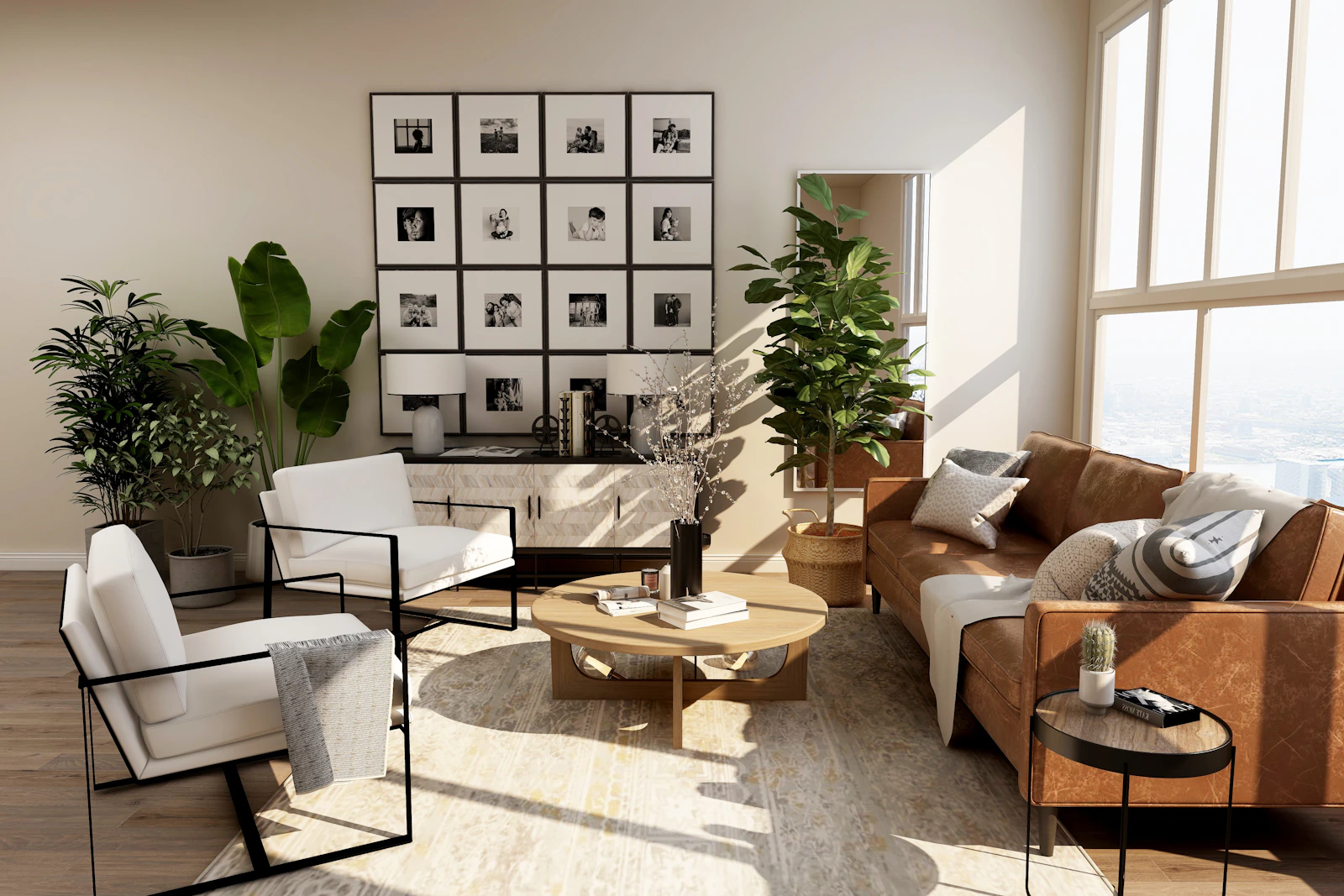
Room styling is useful when individual pieces are acceptable but the room still feels scattered. The discussion usually covers three practical questions: what the eye meets first, which objects compete with that first reading, and which items can leave the room without weakening how it is used.
It is not a renovation brief. Walls, flooring systems, and built-ins are treated as given unless you already plan to change them yourself.
Topics
These are the subjects typically reviewed. They are not a promise of a particular document or meeting format.
Which surface or object currently dominates, and whether that dominance helps or distracts from how the room is used.
How the sofa, chairs, tables, and storage relate to windows, doors, and each other—not measured construction drawings.
Whether wood, metal, paint, and fabric already in the room share an undertone family or pull in different directions.
How many objects, frames, and textiles the room can carry before surfaces stop looking usable.
Imagine a living room with a sofa that matches the wall, a rug that sits only under the coffee table, and a wall of small frames above detailed furniture. None of those choices is automatically wrong. Together they often produce a room with no clear anchor, seating that looks unmoored, and a wall that adds noise.
A room-styling conversation would take those observations in order: name the intended anchor, check whether the rug connects the seating group, then decide whether the frames should be fewer, larger, or relocated. That sequence is an example of how the consultation thinks. It is not a diagnosis of your home.
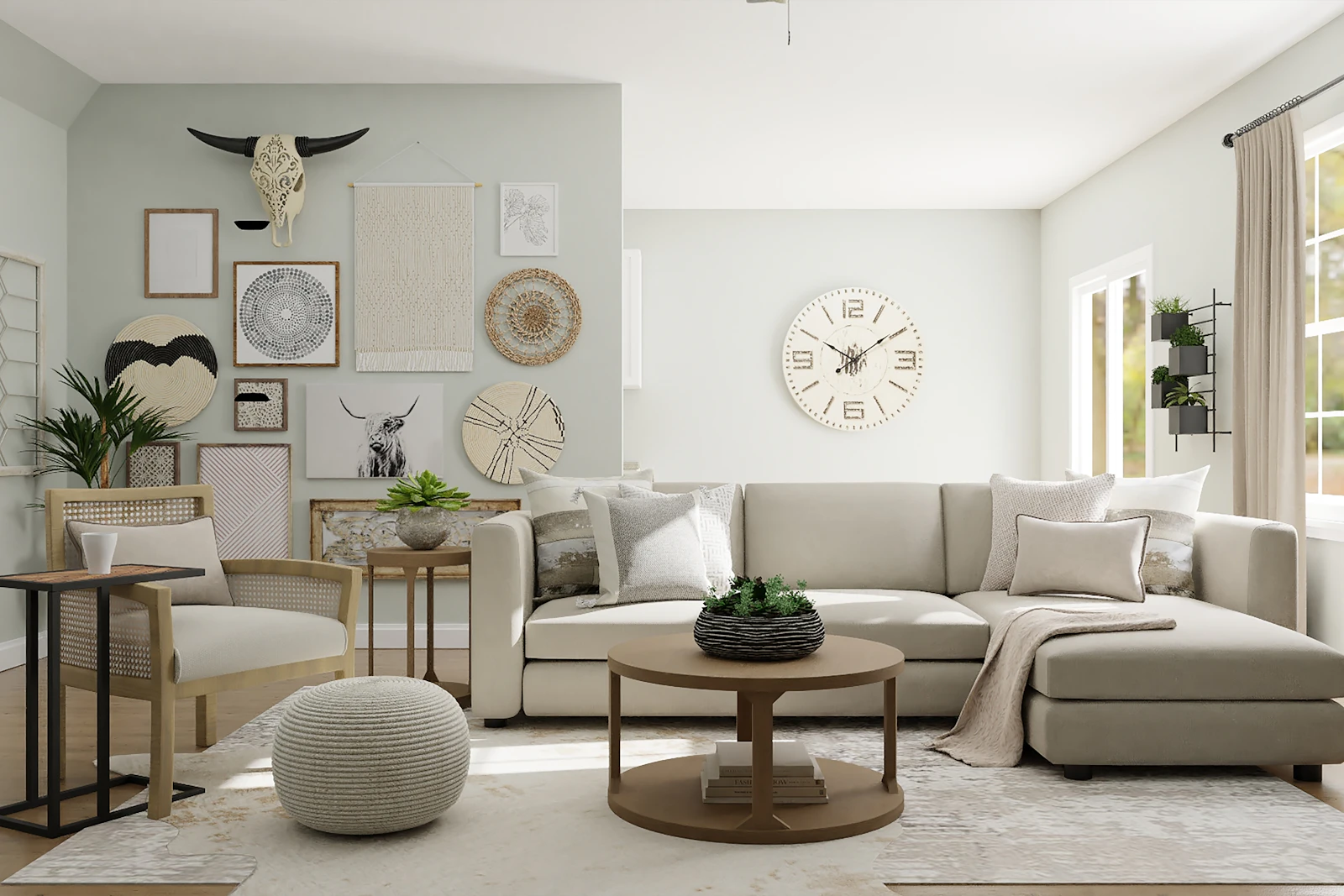
Note the room’s approximate size, the furniture that will stay, the direction of daylight, and anything that cannot change, including rental rules. Photographs from two corners are useful if you can send them later by email. The website form does not accept file uploads; mention that photos are available in your description.
Typical inquiries concern a living room, bedroom, dining area, or another finished residential room. You can name one room or several. Any later consultation follows the rooms and questions both parties agree to discuss.
No. Many room-styling questions start with existing pieces, light, and finishes. Purchases are optional and are not arranged or guaranteed by OBSDNX.
No. The consultation addresses visual direction, furniture relationships, and decorative choices. It does not include construction, painting services, or installation.
Room styling
Describe the room, what already lives there, and which visual questions you want discussed. An inquiry is not a booking.